Organic vs Conventional Farming: What Are the Real Differences?
Organic vs Conventional Farming: What Are the Real Differences?
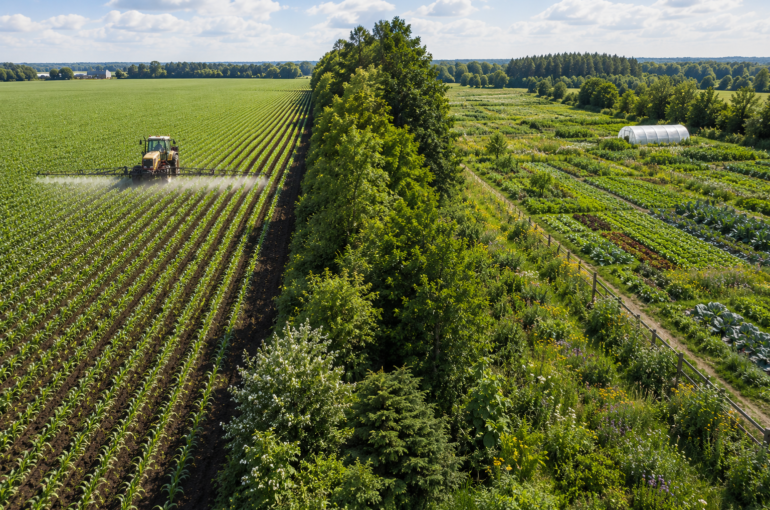
As interest in organic food continues to grow, many consumers are asking an important question: what exactly separates organic farming from conventional agriculture?
While both systems aim to produce food efficiently, they rely on very different methods and philosophies. Understanding these differences can help consumers make more informed choices about the food they buy and the environmental impact behind it.
How Modern Agriculture Has Changed
Over the past century, agriculture has evolved dramatically. Advances in technology, fertilizers, pesticides, and machinery have allowed farms to produce significantly more food than ever before.
Conventional farming focuses heavily on maximizing productivity and efficiency. This approach has helped feed growing populations worldwide, but it has also raised concerns about soil health, pollution, and long-term sustainability.
Organic farming emerged as an alternative approach that prioritizes environmental balance and natural farming methods.
The Main Differences Between Organic and Conventional Farming
One of the biggest differences lies in how crops are grown and protected.
Organic Farming
Organic farmers rely on natural methods to maintain soil fertility and control pests. These practices may include:
- Natural fertilizers such as compost or manure
- Crop rotation to preserve soil nutrients
- Mulch to reduce erosion and water loss
- Natural pest control methods and beneficial insects
Organic farming also limits the use of synthetic pesticides, genetically modified organisms (GMOs), artificial additives, and growth hormones.
Conventional Farming
Conventional farming often uses synthetic fertilizers, herbicides, and pesticides to increase crop yields and reduce production costs.
These methods can be highly efficient and allow farms to produce large quantities of food at lower prices. However, critics argue that heavy chemical use may contribute to environmental damage and soil degradation over time.
Environmental Impact
One of the strongest arguments in favor of organic farming is its environmental impact.
Organic farming practices can help:
- Reduce water contamination
- Improve soil quality
- Lower chemical pollution
- Encourage biodiversity
Conventional farming, while productive, may place greater pressure on ecosystems through intensive land use and synthetic chemical applications.
Nutritional Value and Health Considerations
The debate over nutritional differences between organic and conventional food continues.
Some studies suggest that organic foods may contain higher levels of certain antioxidants and nutrients, while also containing lower pesticide residues.
However, many experts agree that the overall nutritional differences are often modest, and maintaining a balanced diet remains the most important factor for good health.
The Human Side of Farming
Another aspect often overlooked is the impact on farmers themselves.
Conventional farmers may face greater exposure to pesticides and chemical products due to the nature of modern agricultural practices. Organic farming generally reduces direct exposure to synthetic chemicals.
This issue is increasingly discussed in conversations about sustainable agriculture and worker health.
Is One System Perfect?
Neither organic nor conventional farming is perfect.
Conventional agriculture has made food more accessible and affordable for millions of people. Organic farming, on the other hand, promotes more environmentally conscious practices and reduced chemical use.
For many consumers, the best approach is finding a balance between health and affordability while supporting sustainable and local food choices.
Final Thought
Understanding the differences between organic and conventional farming is not about fear or perfection—it’s about making informed choices.
Even small decisions, such as supporting local farms or choosing organic products, when possible, can contribute to a more sustainable food system over time.
Related Posts

How to Eat Organic on a Budget: 9 Smart Tips That Actually Work
Eating organic food is often seen as expensive—but it doesn’t have to be. If you’re trying …

Organic Labels Explained: How to Recognize Genuine Organic Products
As organic food becomes increasingly popular, more companies are trying to appeal to environmentally conscious consumers. …

How to Find Organic Products Online Safely and Easily
Finding high-quality organic products is not always easy. Depending on where you live, access to organic …