Organic Labels Explained: How to Recognize Genuine Organic Products
Organic Labels Explained: How to Recognize Genuine Organic Products
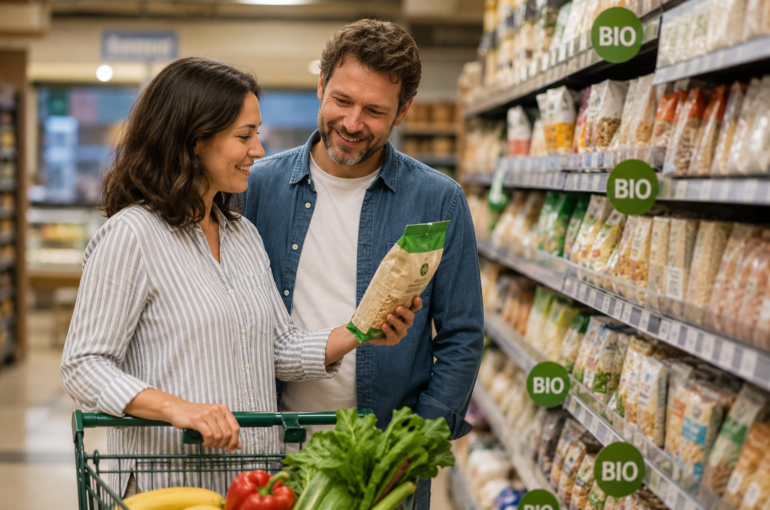
As organic food becomes increasingly popular, more companies are trying to appeal to environmentally conscious consumers.
Words such as “natural,” “eco-friendly,” or “made with organic ingredients” are now common on food packaging. While some products truly follow organic practices, others rely heavily on marketing language that can confuse consumers.
Understanding how to identify genuine organic products can help you make more informed and confident shopping decisions.
Why Organic Labels Can Be Confusing
Modern consumers are paying closer attention to what they eat and how products are made. In response, many brands have adapted their marketing strategies to appear healthier and more environmentally friendly.
However, terms like:
- Natural
- Farm fresh
- Eco-friendly
- Made with organic ingredients
do not always mean that a product is fully certified organic.
Some products may contain only a small percentage of organic ingredients while still using packaging that suggests otherwise.
Understanding Official Organic Certifications
One of the safest ways to identify genuine organic products is to look for official certification labels.
In the United States
Products certified organic in the United States typically display the:
USDA Certified Organic label.
This certification requires producers to follow strict standards regarding pesticides, fertilizers, GMOs, and farming practices.
In Canada
In Canada, organic products are regulated by the Canadian Food Inspection Agency (CFIA).
Foods labeled as organic must comply with national standards and certification requirements to ensure that claims are truthful and not misleading.
In Europe and France
Many European organic products display official organic certification logos that help consumers identify products meeting established environmental standards.
Why Reading Ingredient Labels Matters
Even when brands offer organic products, not all items within the same product line are necessarily organic.
For example, some companies may sell both organic and non-organic versions of similar products.
This is why reading ingredient labels carefully remains important.
Consumers should pay attention to:
- Artificial additives
- Synthetic preservatives
- Excessive food coloring
- Highly processed ingredients
The shorter and simpler the ingredient list, the easier it often becomes to understand what you are buying.
Specialized Organic Stores vs Traditional Grocery Stores
For people new to organic shopping, specialized organic stores can make the process easier.
These stores often focus entirely on natural, organic, and eco-friendly products, reducing the need to analyze every label in detail.
Once consumers become familiar with trusted brands and certifications, it becomes easier to identify organic options in traditional grocery stores as well.
Today, many supermarkets also include dedicated organic food sections.
Buying Local Can Also Help
Whenever possible, buying local organic products can offer additional benefits.
Locally produced food may:
- Reduce transportation emissions
- Support local farmers
- Provide fresher seasonal products
Combining local and organic shopping habits can help consumers make more environmentally conscious choices.
Final Thought
Choosing organic products is not only about marketing claims or attractive packaging.
Learning how to recognize official certifications, read ingredient labels, and identify misleading marketing terms can help consumers shop more confidently and responsibly.
The more informed you become, the easier it is to make choices that align with your health, environmental, and lifestyle values.
Related Posts
How to Eat Organic on a Budget: 9 Smart Tips That Actually Work
Eating organic food is often seen as expensive—but it doesn’t have to be. If you’re trying …
How to Find Organic Products Online Safely and Easily
Finding high-quality organic products is not always easy. Depending on where you live, access to organic …
Organic vs Conventional Farming: What Are the Real Differences?
As interest in organic food continues to grow, many consumers are asking an important question: what …