What Is Organic Food? Benefits, Farming Methods and Why It Matters
What Is Organic Food? Benefits, Farming Methods and Why It Matters
What Is Organic Food?
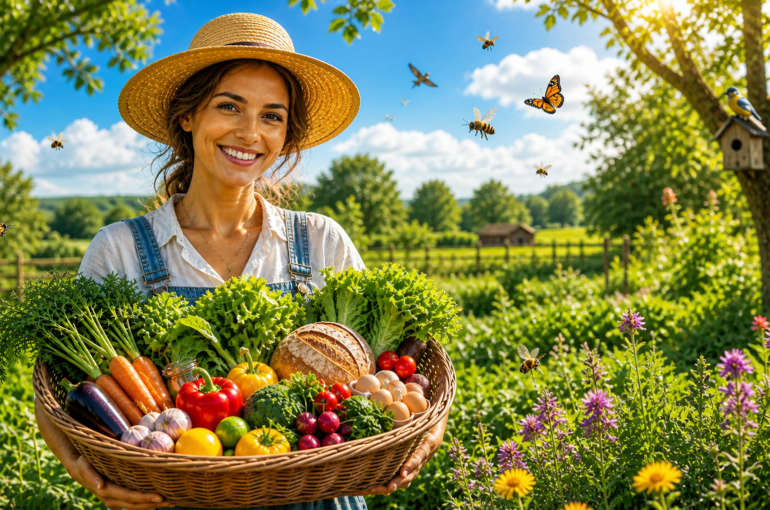
Organic food is becoming increasingly popular as more people recognize how their daily choices impact both their health and the environment. Understanding what organic food is helps us make better, more informed decisions about what we eat.
At its core, organic food reflects a return to simpler, more natural ways of living—supporting both our well-being and the planet that sustains us.
What’s Wrong with Modern Industrial Agriculture?
Modern industrial agriculture focuses on maximizing production and profit, often at the expense of environmental health. To achieve high yields, it relies heavily on synthetic chemicals such as pesticides and fertilizers.
While effective in the short term, these practices come with serious consequences:
- Soil degradation caused by the destruction of beneficial microorganisms
- Water pollution from chemical runoff
- Air contamination due to pesticide spraying
- Loss of biodiversity and ecosystem imbalance
Over time, this system weakens the land and disrupts natural cycles. It prioritizes short-term output instead of long-term sustainability.
What Is Organic Food?
Organic food is produced using farming methods that respect natural ecosystems and avoid harmful synthetic substances. The goal is to protect both human health and the environment.
To be labeled organic, products must meet strict certification standards, including:
- No synthetic pesticides or fertilizers
- No genetically modified organisms (GMOs)
- Natural pest control methods
- No growth hormones or routine antibiotics
Additionally, farmland must remain free of prohibited substances for several years before certification.
Because organic farming prioritizes quality and sustainability over mass production, yields are often lower, which explains the higher cost of organic products.
What About GMOs?
Genetically modified organisms (GMOs) are engineered to introduce specific traits, such as pest resistance or faster growth.
While this technology aims to improve efficiency, concerns remain regarding its long-term impact on health and the environment.
Organic farming strictly prohibits GMOs and instead relies on natural biodiversity and ecological balance.
Why Organic Food Is Growing in Popularity
The demand for organic food continues to rise worldwide. As awareness increases, more consumers are choosing products that align with their values.
Today, organic options are widely available across categories such as:
- Fruits and vegetables
- Meat and dairy
- Beverages
- Household products
Consumers are increasingly willing to invest in food that supports both their health and the environment.
A More Conscious Way to Eat
Choosing organic food is more than a dietary choice—it’s a commitment to a more responsible and sustainable lifestyle.
Even small changes can have a meaningful impact over time, helping protect ecosystems, reduce pollution, and support healthier food systems for future generations.
Related Posts
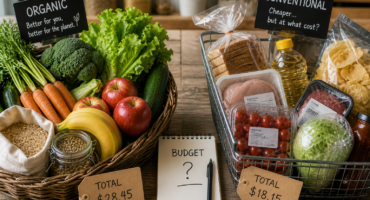
How to Eat Organic on a Budget: 9 Smart Tips That Actually Work
Eating organic food is often seen as expensive—but it doesn’t have to be. If you’re trying …
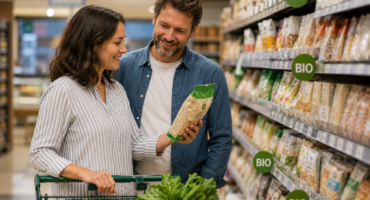
Organic Labels Explained: How to Recognize Genuine Organic Products
As organic food becomes increasingly popular, more companies are trying to appeal to environmentally conscious consumers. …

How to Find Organic Products Online Safely and Easily
Finding high-quality organic products is not always easy. Depending on where you live, access to organic …