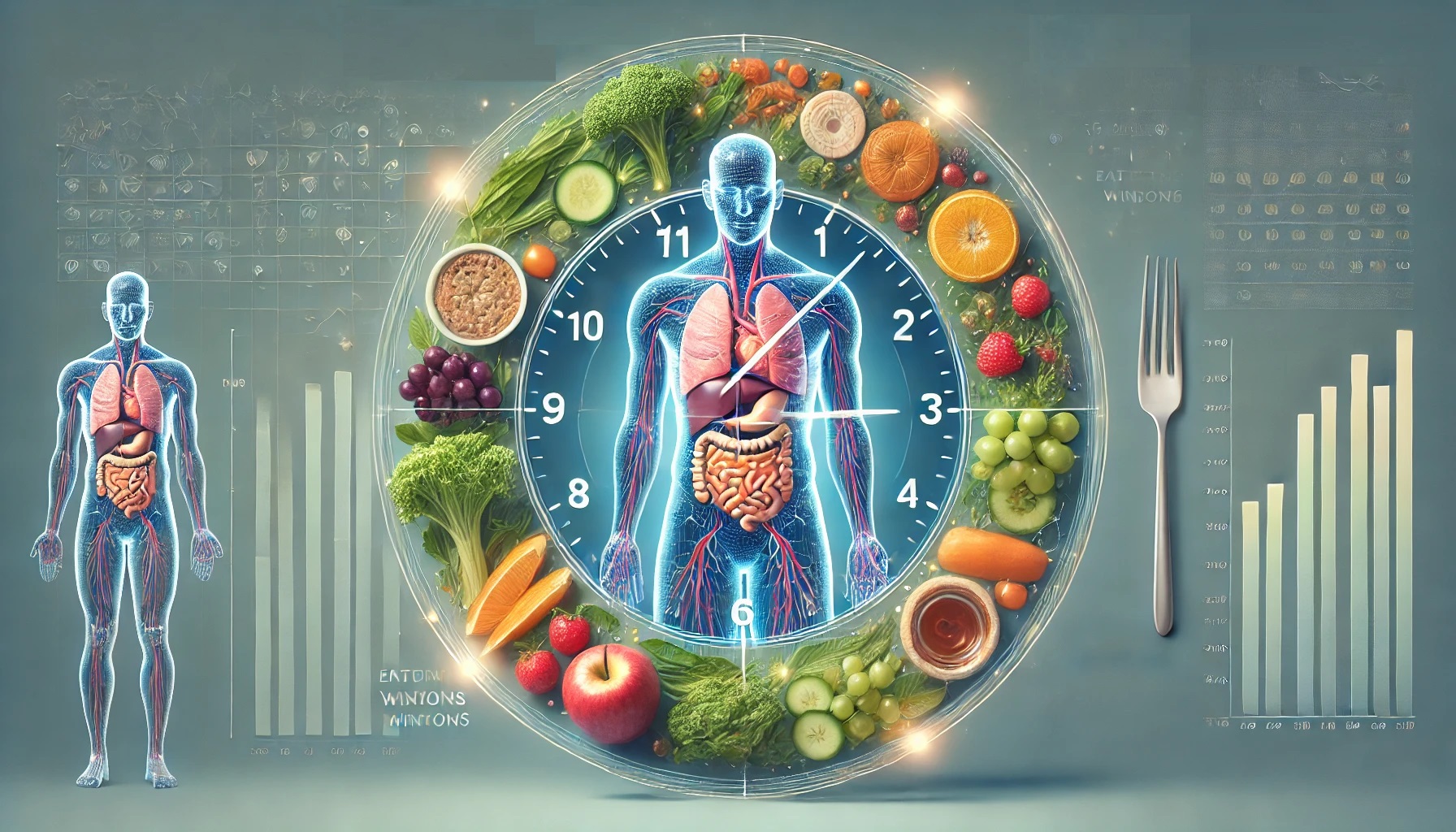

16/8 Intermittent Fasting for Beginners: A Simple Guide to Healthy Fat Loss
Understanding Intermittent Fasting in a Simpler Way
If you've ever felt overwhelmed by diets, calorie counting, or complicated nutrition advice, you're not alone. Many people want healthier habits but struggle with routines that feel difficult to maintain.
One reason intermittent fasting has become popular is its simplicity. Rather than focusing only on what to eat, it encourages paying attention to when you eat.
For many beginners, that can feel less restrictive and easier to understand.
The 16/8 intermittent fasting method is one of the most common approaches. It usually involves fasting for sixteen hours and eating during an eight-hour window, such as from noon to 8 PM.
Small Changes Can Lead to Meaningful Progress
Health journeys do not have to begin with drastic changes.
Many lasting improvements start with one small step repeated consistently. Progress often happens quietly. A slightly better routine, one healthier meal, or one positive habit practiced each day can gradually build momentum.
Intermittent fasting is not about perfection. It is about creating a rhythm that feels realistic and sustainable.
Different Fasting Approaches
People choose different methods depending on their goals and lifestyle:
16/8 fasting method
Fast for sixteen hours and eat during an eight-hour period.
5:2 method
Eat normally for five days and reduce calorie intake on two days.
Alternate-day fasting
Alternate between regular eating days and lighter fasting days.
Time-restricted eating
Focus meals within specific daily hours.
There is no single perfect method. The best routine is often the one that feels manageable long term.
Supporting Your Body Along the Way
Healthy habits work best when they support your life rather than control it.
Helpful habits may include:
- staying hydrated
- choosing nutrient-rich foods
- exercising regularly
- sleeping well
- listening to your body
Be Patient With Yourself
Real progress rarely happens overnight.
Some days feel easier than others, and that is perfectly normal. Taking care of your health is not a race.
Small choices made consistently can become powerful changes over time.
Before beginning fasting—especially if you have a medical condition such as diabetes—consult a healthcare professional.
FAQ
Can beginners start with 16/8 fasting?
Yes. Many people start with a shorter fasting period and slowly increase over time.
Can I drink coffee during fasting?
Unsweetened coffee and water are commonly consumed during fasting windows.
How long before seeing results?
Results vary depending on diet quality, activity level, and consistency.