The Best Vegan Protein Sources Explained Simply
The Best Vegan Protein Sources Explained Simply
One of the most common questions about veganism is:
“But where do vegans get their protein?”
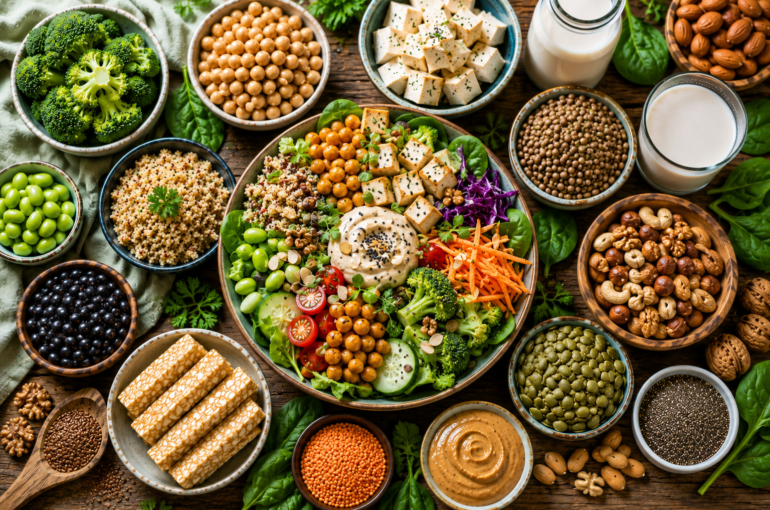
Fortunately, there are many excellent plant-based protein sources that can easily support a healthy and balanced lifestyle.
With a little variety and planning, most people can meet their protein needs without relying on animal products.
Why Protein Matters
Protein plays an important role in the human body.
It helps support:
- Muscles
- Cell repair
- Energy production
- Metabolism
- Overall body maintenance
Most adults generally need moderate amounts of protein daily, although individual needs may vary depending on age, activity level, or health conditions.
Beans and Lentils
Beans and lentils are among the most popular vegan protein foods.
They are:
- Affordable
- Filling
- Rich in fiber
- Easy to include in meals
Popular options include:
- Black beans
- Chickpeas
- Kidney beans
- Lentils
These foods work perfectly in soups, salads, burritos, curries, and many plant-based recipes.
Nuts and Nut Butters
Nuts provide healthy fats along with valuable protein.
Some excellent choices include:
- Almonds
- Walnuts
- Cashews
- Peanuts
- Peanut butter
They make excellent snacks and can easily be added to smoothies, oatmeal, or vegan desserts.
Because nuts are calorie-dense, moderation is usually recommended.
Seeds
Seeds are small but very nutritious.
Some of the most popular vegan protein seeds include:
- Pumpkin seeds
- Chia seeds
- Flax seeds
- Sunflower seeds
- Sesame seeds
Many also contain beneficial omega-3 fatty acids and minerals.
Seeds can easily be sprinkled on salads, yogurt alternatives, smoothies, or baked goods.
Tofu and Tempeh
Tofu and tempeh are two classic vegan protein staples made from soybeans.
Tofu
Tofu has a soft texture and absorbs flavors easily, making it extremely versatile for cooking.
It works well in:
- Stir-fries
- Soups
- Pasta sauces
- Smoothies
- Vegan desserts
Tempeh
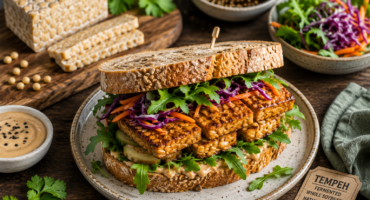
Tempeh is firmer and has a richer, nuttier flavor due to fermentation.
Many people enjoy using it in:
- Bowls
- Sandwiches
- Asian-inspired dishes
- Grilled recipes
Plant-Based Milk Alternatives
Many vegan milk alternatives now contain added protein and nutrients.
Popular options include:
- Soy milk
- Oat milk
- Almond milk
- Pea protein milk
Some fortified plant-based milks also contain calcium and vitamin B12.
Reading labels can help compare nutritional values between products.
Quinoa and Whole Grains
Certain grains also contribute valuable protein to vegan diets.
Quinoa is especially popular because it contains all essential amino acids.
Other helpful grains include:
- Oats
- Brown rice
- Barley
- Whole wheat products
Combining different plant foods throughout the day naturally helps support balanced nutrition.
Vegetables Also Contribute Protein
Vegetables are not usually considered major protein sources, but many still contribute useful amounts.
Higher-protein vegetables include:
- Broccoli
- Spinach
- Green peas
- Mushrooms
- Corn
When combined with other plant-based foods, vegetables help create more balanced meals.
Variety Is the Key
A healthy vegan lifestyle does not depend on one single “superfood.”
The best approach is variety.
Combining legumes, grains, vegetables, nuts, seeds, and plant-based proteins throughout the week helps provide a wide range of nutrients.
For most people, meeting protein needs through plant-based foods is much easier than many beginners initially expect.
Final Thought
A well-balanced vegan diet can provide plenty of protein while also encouraging greater variety in everyday meals.
Rather than focusing only on what is removed from the plate, many people discover entirely new foods, flavors, and healthier habits through plant-based eating.
With a little curiosity and planning, vegan protein can be both simple and delicious.
Related Posts
Superfoods: Which Ones Are Worth Adding to Your Routine?
The term “superfood” appears everywhere today. From social media and health blogs to grocery stores and …
Healthy Oils: Which Ones Deserve a Place in Your Kitchen?
Healthy eating often focuses on vegetables, proteins, and whole foods, but oils also play an important …
Tempeh: What It Is and Why People Are Discovering It
Tempeh may not be as widely known as tofu, but it has slowly gained popularity among …